

Sleep-Deprived Teens: The Hidden Reason Behind Poor Focus and Anxiety
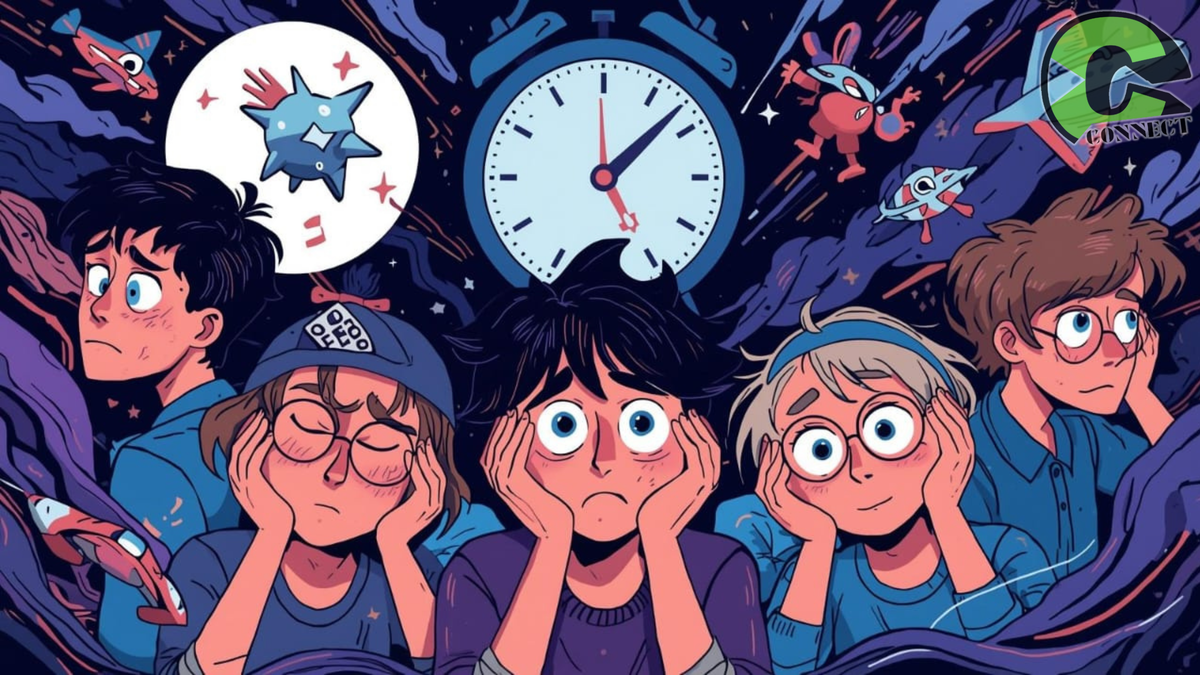
In today’s fast-paced, always-online world, sleep has quietly become one of the most neglected aspects of a teenager’s life. Late-night scrolling, endless academic pressure, early school timings, competitive exams, and social expectations have created a generation that is chronically sleep deprived.
While tiredness may seem normal for teens, the consequences of poor sleep go far deeper than just feeling sleepy in class. In fact, sleep deprivation is one of the most hidden yet powerful reasons behind poor focus, declining academic performance, emotional instability, and rising anxiety among teenagers.
Understanding Teenage Sleep Needs
Teenagers are biologically wired to sleep more than adults. According to sleep research, adolescents need 8–10 hours of sleep every night for optimal physical, emotional, and cognitive development. However, most teens today barely get 6–7 hours, and some even less.
During adolescence, the body’s internal clock (circadian rhythm) naturally shifts, making teens feel alert later at night. This means they don’t feel sleepy early, even if they need to wake up early for school. When early school schedules clash with late bedtimes, chronic sleep deprivation becomes unavoidable.
Why Are Teens Sleeping Less Than Ever?
Several lifestyle and systemic factors contribute to poor sleep among teenagers:
- Excessive Screen Time: Smartphones and tablets expose teens to blue light, which suppresses melatonin—the hormone responsible for sleep.
- Academic Pressure: Homework, tuition, and exam prep often stretch late into the night.
- Social Media & Peer Pressure: Fear of missing out (FOMO) and constant notifications keep teens mentally active.
- Early School Start Times: Many schools force teens to wake up before their biological clocks are ready.
- Stress and Overthinking: Identity struggles and future worries lead to racing thoughts at night.
The Link Between Sleep and Focus
Sleep is essential for brain functioning, especially for attention, memory, and learning. Effects of sleep deprivation on focus include:
- Difficulty concentrating in class
- Short attention span
- Forgetting learned information
- Slower reaction time
- Reduced problem-solving ability
Sleep plays a crucial role in memory consolidation. Without adequate sleep, even hours of studying become ineffective, leading to a frustrating cycle of overworking and underperforming.
Sleep Deprivation and Anxiety: The Hidden Connection
When a teen is sleep deprived, the brain’s emotional control center (prefrontal cortex) becomes less active, while the fear center (amygdala) becomes overactive. This imbalance makes teens more prone to anxiety.
Common emotional symptoms include:
- Constant worry and overthinking
- Irritability and mood swings
- Feeling overwhelmed easily
- Increased self-doubt
Physical Consequences of Poor Sleep
The effects are not limited to the mind; they impact the entire body:
- Weakened immune system
- Frequent headaches
- Hormonal imbalance
- Weight gain due to disrupted metabolism
How Teens Can Improve Sleep Quality
- Set a Consistent Schedule: Go to bed and wake up at the same time, even on weekends.
- Reduce Screen Time: Avoid screens at least 60 minutes before sleep.
- Create a Sleep-Friendly Environment: Keep the room quiet, dark, and cool.
- Manage Stress: Use deep breathing or journaling to calm an overactive mind.
- Prioritize Rest: Remember that better sleep leads to faster learning.
Final Thoughts
Sleep deprivation in teenagers is not a minor inconvenience—it is a silent crisis. In a world that glorifies hustle, reminding teens that rest is not laziness—it is a necessity—might be one of the most powerful steps toward a healthier future.
Comments ()